How Often Should Longmont Diesel Trucks Be Serviced?
Diesel service timing depends on the manufacturer’s schedule, engine hours, towing load, and operating conditions. Longmont trucks that tow or idle frequently may need attention sooner than lightly used highway trucks.
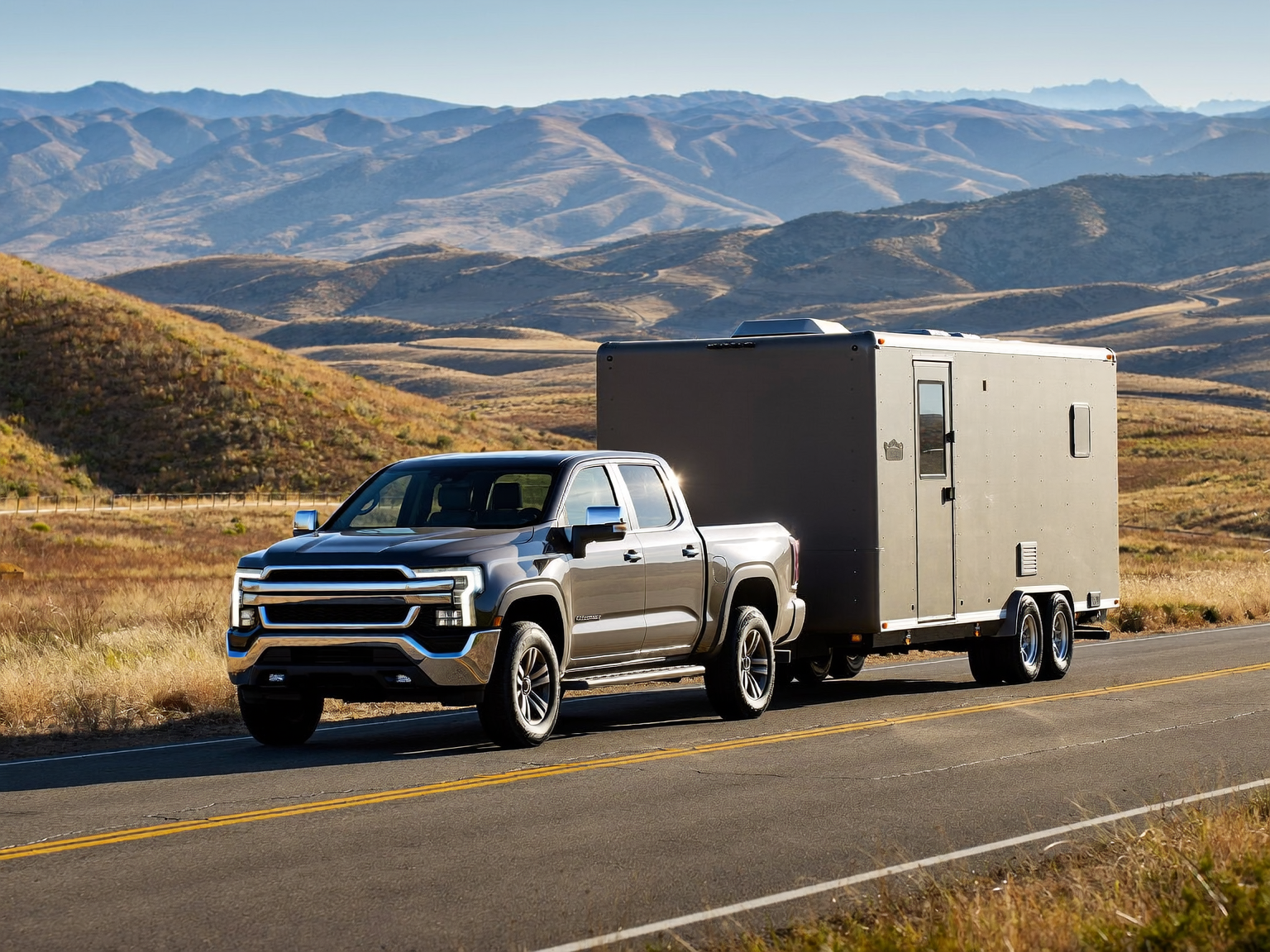
Longmont diesel trucks should be serviced according to the manufacturer’s schedule, with mileage, engine hours, towing load, idle time, and driving conditions considered together. A truck that regularly tows, idles at job sites, makes short trips, or works in dust and snow may need service sooner than a lightly loaded truck used mostly for steady highway driving.
Start With the Schedule, Then Account for Workload
There is no single service interval that fits every diesel pickup or work truck. The correct baseline comes from the maintenance schedule for the truck’s model year, engine, transmission, and emissions system. That schedule should then be interpreted according to how the truck actually works.
Modern diesel trucks may track mileage, engine hours, oil condition, fuel filter life, and emissions system status. Those indicators are useful, but none of them represents the condition of every component. An oil-life display does not evaluate a fuel filter, differential fluid, cooling system, brake condition, or trailer wiring.
For diesel truck maintenance in Longmont, we look at the complete operating pattern. A pickup hauling equipment along US-287 has a different workload from the same model commuting unloaded on the Diagonal Highway. A fleet truck that idles while powering accessories also accumulates wear even when its odometer changes slowly. Our fleet maintenance services account for these differences instead of treating every truck as if it has the same duty cycle.
Should mileage or engine hours determine service timing?
Both can matter, and the more demanding measurement should not be ignored. Mileage reflects travel, while engine hours capture idling, low-speed operation, warm-up time, and stationary equipment use. A truck can have modest mileage but substantial engine operation if it spends long periods at job sites, in traffic, or warming up during cold weather. We compare both measurements with the manufacturer’s normal-duty and severe-duty guidance, then consider the truck’s service history and current condition.
Does an oil-life monitor cover all diesel maintenance?
No. An oil-life monitor estimates when engine oil may need attention based on the information available to the truck, but it does not replace a complete maintenance plan. Fuel filters, water separators, coolant, belts, hoses, batteries, brakes, driveline fluids, tires, and emissions components have their own inspection or replacement requirements. We use the monitor as one input rather than allowing it to become the truck’s only maintenance reminder.
How Towing Changes Diesel Service Needs
Towing increases sustained engine load and places additional demand on the cooling system, transmission, brakes, axles, tires, and driveline. Colorado terrain can magnify that demand. A truck may pull easily on level roads around Longmont, then work much harder when a route turns toward the foothills or climbs into a canyon.
Heat is one of the central concerns. Engine coolant, transmission fluid, and axle lubricants all help carry heat away from loaded components. Their condition, level, and specification matter, especially before repeated towing. Airflow also matters, so debris around cooling surfaces and damage to fan or shroud components should not be overlooked.
Towing is also a reason to inspect the truck and trailer as a connected system. The hitch, electrical connector, trailer brake operation, tire condition, and load distribution affect how the truck accelerates, turns, and stops. A general road-trip checklist can help with preparation, and our guide to Colorado summer road-trip readiness covers additional items that are easy to miss before a longer drive.
Should a diesel truck be inspected before every towing trip?
A quick driver inspection is wise before every tow, while a shop inspection should be based on the truck’s schedule, workload, recent repairs, and the difficulty of the planned trip. We recommend checking for fluid leaks, damaged tires, loose connections, warning lights, unusual noises, and changes in braking or steering before attaching a trailer. If the truck will be towing into foothills terrain, traveling far from Longmont, or carrying an unfamiliar load, checking the cooling, braking, and driveline systems beforehand can prevent a minor concern from becoming a roadside problem.
Does light towing count as severe service?
It can, depending on frequency, terrain, temperature, speed, and combined load. An occasional light trailer on level pavement is not the same as repeated equipment hauling, but towing still asks more of the vehicle than unloaded travel. Rather than applying the word “severe” automatically, we look at how long the truck remains under load, whether it encounters steep grades, how often it shifts, and whether fluid temperatures or operating behavior have changed.
DEF and Emissions Systems Need the Right Conditions
Diesel exhaust fluid, commonly called DEF, is part of the selective catalytic reduction system on equipped trucks. It is stored separately from diesel fuel and must remain clean. Filling the wrong tank, using contaminated fluid, or introducing dirt during handling can create expensive complications, so containers and funnels should never be shared with fuel, oil, or coolant.
Colorado cold can cause DEF to freeze, but equipped vehicles are designed with system protections and heating strategies. Drivers should not add improvised chemicals to prevent freezing. The better approach is to use the specified fluid, keep the fill area clean, and respond promptly to warnings instead of assuming they will disappear after another drive.
The diesel particulate filter also depends on appropriate operating conditions to complete regeneration. Repeated short trips, extended low-speed operation, or interrupted regeneration can contribute to soot loading. A warning related to the emissions system is not always a request to simply drive harder or farther. The cause may involve operating patterns, sensors, temperature control, fuel delivery, or another fault that needs diagnosis.
Can a driver wait until the DEF warning becomes urgent?
We do not recommend it. An early DEF warning provides time to confirm the correct fluid and refill the system cleanly, while later warnings may be accompanied by operating restrictions. If the tank has been filled but the message remains, or if a contamination mistake is possible, adding more fluid is unlikely to solve the underlying problem. The truck should be checked before warning stages progress or a preventable contamination issue spreads through the system.
Is highway driving always enough to clear a diesel particulate filter?
No. Highway operation can provide favorable conditions for regeneration, but it cannot correct every cause of a particulate filter warning. A failed sensor, thermostat issue, air or fuel problem, exhaust leak, repeated interrupted regeneration, or excessive soot production may require diagnosis. We avoid recommending repeated high-load drives until we understand what the truck is reporting, because forcing the operating pattern can mask symptoms without addressing the fault.
Fuel Filters Protect High-Pressure Diesel Components
Clean fuel is critical in a modern diesel system. The fuel filter captures particles before they reach precision components, and many diesel trucks also use a water-separation feature. Water or debris that passes through can interfere with lubrication and damage parts designed to operate with extremely tight clearances.
Fuel filter timing should follow the truck manufacturer’s requirements, but fuel source, storage, seasonal use, and workload can justify closer attention. A truck fueled from transfer tanks or stored equipment may face different contamination risks from one filled at busy retail stations. Hard starting, reduced power, hesitation under load, or a fuel-system warning should be diagnosed rather than treated as proof that the filter alone is at fault.
Our diesel fuel system service can include evaluating filter history, checking for contamination, reviewing pressure data, and separating a maintenance need from an electrical, air-management, or emissions issue. Related background on contamination is available in our article about bad gas and fuel quality in Colorado, although diesel systems require their own procedures and specifications.
Should the fuel filter be replaced early before a major tow?
Not automatically. Replacing a filter far ahead of schedule without considering service history can add unnecessary work, while leaving an overdue or questionable filter in place can create trouble under load. We check the documented interval, dashboard information, fuel source, symptoms, and trip demands. If service is due soon and the truck is preparing for a remote or strenuous tow, completing it before departure may be sensible, but the decision should be based on the specific truck.
Build a Service Plan Around the Whole Truck
A durable diesel maintenance plan goes beyond oil, DEF, and filters. It should account for cooling system condition, transmission behavior, transfer case and axle fluids where applicable, brake wear, steering components, suspension, batteries, charging performance, tires, and trailer connections. Four-wheel-drive trucks also need attention to components that may sit unused for part of the year and then be expected to work immediately in snow or on loose surfaces.
Service records make these decisions easier. We recommend recording the date, mileage, engine hours when available, fluid specifications, filter part information, and any observations from the inspection. That history helps us identify gradual changes and avoid replacing something merely because its previous service cannot be verified.
The familiar idea of a tune-up can be misleading for a diesel because modern maintenance is system-specific rather than a single standard package. Our explanation of what a modern tune-up means shows why maintenance should be tied to the vehicle and its actual needs.
Serving Longmont Diesel Drivers and the Front Range
Longmont diesel service has to account for a mix of city traffic, agricultural roads, construction use, highway commuting, and foothills travel. Drivers from Old Town Longmont may deal with frequent starts and shorter trips, while trucks based around Clover Basin often connect quickly to longer routes toward Boulder or the Front Range highway network.
US-287, the Diagonal Highway, and I-25 can produce very different operating patterns in the same week. A diesel may idle in local traffic, cruise steadily toward Erie or Firestone, then tow west toward Left Hand Canyon and higher terrain. Altitude, blowing dust, snow, cold starts, and long grades all influence what we inspect, even though none of them replaces the manufacturer’s schedule.
For drivers seeking auto repair in Longmont, we recommend bringing a clear description of how the truck is used. Trailer type, typical cargo, idle time, usual routes, fuel source, and recent warning messages all help us build a more accurate plan. Seasonal preparation also matters, particularly for trucks that plow, tow, or sit outside, and our Colorado winter vehicle guide provides useful context beyond diesel-specific service.
The Practical Answer
Service the truck at the manufacturer’s required intervals, but shorten the planning horizon when towing, idling, short-trip use, dust, or mountain travel increases the workload. Do not rely on mileage, an oil monitor, or a DEF warning as the sole measure of vehicle condition.
We get the best results by reviewing mileage and engine hours, confirming prior maintenance, inspecting the truck as a complete system, and planning upcoming work before a demanding tow. That approach keeps Longmont diesel truck maintenance tied to evidence and actual use rather than a generic calendar or guesswork.
Book the shop Boulder trusts.
Free loaner vehicles for qualifying repairs. Three-year, 36,000-mile NAPA warranty on every covered job.