
Should Superior Drivers Test an Aging Hybrid Battery?
An aging hybrid battery should be tested when performance changes, warning lights appear, or its condition is uncertain. A proper test looks beyond battery age to evaluate the complete hybrid system under real operating conditions.
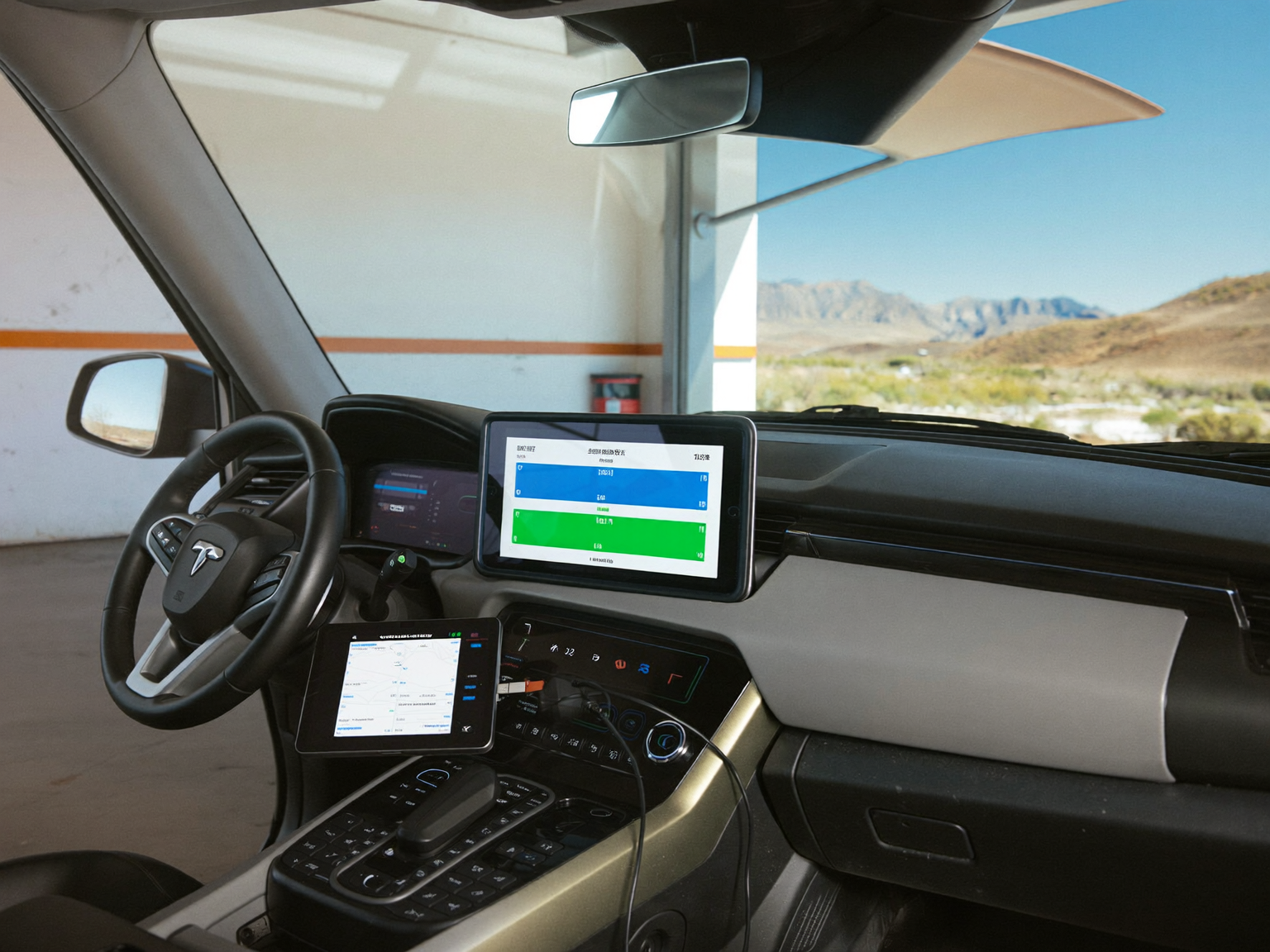
Yes, Superior drivers should test an aging hybrid battery when its performance changes, warning lights appear, or its condition is uncertain. Testing can distinguish normal aging from a battery fault, cooling problem, electrical issue, or unrelated engine condition before anyone recommends repairs.
A hybrid battery does not become defective simply because it has been in service for a long time. Age is a reason to pay closer attention, but current condition matters more than the calendar. We evaluate how the battery behaves, how evenly its internal sections work together, and whether the rest of the hybrid system is influencing what the driver notices.
When an Aging Hybrid Battery Needs Testing
Hybrid vehicles constantly balance gasoline-engine operation, electric assistance, regenerative braking, battery temperature, and state of charge. Changes in any part of that system may feel like a weak battery. That is why an accurate hybrid battery test is more involved than checking whether a warning light is present.
What symptoms suggest that a hybrid battery should be tested?
Common reasons to schedule testing include a hybrid-system warning message, reduced electric assistance, frequent changes in the battery charge display, unusual engine operation, inconsistent fuel economy, weak acceleration, or a cooling fan that seems to run more often than before. Drivers may also notice that the gasoline engine starts at times when the vehicle previously remained in electric operation. None of these symptoms proves that the high-voltage battery has failed, but each provides a reasonable basis for professional hybrid service. We also recommend testing before making a major decision about an older hybrid if there is little maintenance history or the vehicle has recently changed owners.
Does battery age alone mean the pack is failing?
No. Two batteries of similar age may be in very different condition because driving patterns, temperature exposure, storage, cooling airflow, maintenance, and previous repairs all affect how a hybrid system ages. A vehicle used regularly may behave differently from one that sits for extended periods, and a clogged battery-cooling intake can create symptoms that resemble internal battery deterioration. We treat age as useful context rather than a diagnosis. The better question is whether the battery can accept, store, and deliver energy evenly while staying within the operating conditions expected by the vehicle’s control system.
What a Professional Hybrid Battery Test Checks
A meaningful test combines electronic data with physical inspection and an appropriate road test. Simply reading a trouble code does not show the complete condition of the pack, and clearing a warning light does not correct the cause.
What information can a hybrid scan reveal?
A hybrid-capable scan tool can show stored and pending fault codes, battery charge behavior, temperature information, command history, and differences among monitored battery sections. We look for patterns rather than judging one isolated reading. A section that repeatedly responds differently from the rest of the pack may indicate deterioration, but similar behavior can also be affected by temperature, connections, or operating conditions. Freeze-frame information is especially useful because it records what the system saw when a fault was detected. That evidence helps us decide whether the battery itself needs further evaluation or whether electrical diagnostics should move in another direction.
Why is a road test part of hybrid battery diagnosis?
A road test allows us to observe the battery while the vehicle accelerates, cruises, slows, and uses regenerative braking. A pack can appear stable while the vehicle is stationary yet show an imbalance when electrical demand changes. We compare charging and discharging behavior, electric assistance, engine engagement, battery temperature, and the movement of the charge display. The route and test conditions matter because a gentle trip around a parking lot may not reproduce a complaint that appears on a US-36 commute or during a climb toward the foothills. We perform the test deliberately and within safe operating conditions rather than trying to force an immediate conclusion.
Why should the battery cooling system be inspected?
Hybrid battery packs produce heat during charging and discharging, so their cooling path must remain open and functional. Depending on the vehicle, cabin air may pass through an intake, ductwork, filter, and fan before cooling the pack. Pet hair, dust, luggage, interior trim, or debris can restrict that airflow. A noisy fan may be reacting to elevated temperature rather than causing it, while a fan that does not operate correctly can contribute to heat-related battery problems. Inspecting accessible cooling components and reviewing temperature data can prevent a cooling fault from being mistaken for internal battery failure.
What Hybrid Battery Testing Does Not Mean
Testing an aging pack does not automatically commit the owner to battery replacement. The purpose is to replace assumptions with evidence and identify which part of the vehicle actually needs attention.
Can an engine problem feel like a weak hybrid battery?
Yes. The gasoline engine and electric drive system work as a team, so an engine that is not producing expected power may demand more assistance from the battery. Ignition faults, air or fuel problems, cooling-system concerns, and other engine conditions can change how often the hybrid system charges or discharges the pack. A weak low-voltage auxiliary battery can also create confusing electronic behavior because it powers computers and controls before the high-voltage system becomes active. This is why we review the complete vehicle rather than treating every change in the energy display as proof of battery failure. Our broader explanation of why electrified vehicles still need service covers several of these supporting systems.
Is a dashboard code enough to condemn the battery?
No. A code identifies the system or operating condition that detected a problem, but it is the beginning of diagnosis rather than the final verdict. We consider the code definition, related codes, freeze-frame data, live readings, service information, wiring condition, cooling operation, and the circumstances under which the warning appeared. Some faults are intermittent, while others result from communication or low-voltage problems. Replacing a high-voltage component based only on a generic code scan risks overlooking the actual cause. Hybrid systems also contain hazardous voltage, so pack disassembly and direct electrical measurements should be left to trained technicians using proper procedures and protective equipment.
When Should Superior Drivers Schedule a Test?
There is no single calendar interval that determines when every hybrid battery should be tested. The timing should follow the vehicle’s symptoms, history, warning messages, and planned use.
Should the battery be tested before a long trip or vehicle purchase?
Testing is sensible before a demanding road trip if an older hybrid has shown changing performance, unexplained warnings, or unstable charge behavior. It can also provide useful information during a pre-purchase evaluation, especially when service records are incomplete. A test cannot guarantee how long any component will remain in service, but it can identify present faults and document how the system performs at the time of inspection. Drivers comparing service options may also find our guide for hybrid service decisions near Lafayette useful because the same diagnostic principles apply throughout Boulder County.
Does cold Colorado weather prove that the battery is worn out?
No. Cold conditions can temporarily change battery output, regenerative braking, engine run time, cabin-heating demand, and the charge display. Those changes may be normal system management rather than evidence of a failed pack. The key is whether the behavior improves as conditions change or whether warnings and performance problems continue in ordinary driving. Temperature-related behavior should be interpreted using vehicle data and the driver’s description of when the symptoms occur. Although full electric vehicles manage energy differently, our discussion of Colorado winter EV battery behavior offers helpful background on why temperature matters to electrified vehicles.
Hybrid Battery Testing in Superior and Boulder County
Superior driving can give a hybrid system a varied workload in a short distance. A trip from Rock Creek to Boulder may include neighborhood speeds, the McCaslin Boulevard corridor, US-36 traffic, elevation changes, and repeated regenerative braking. Snow, cold starts, summer heat, and foothills terrain can further change when the engine and electric motor share the work.
We provide hybrid diagnostics for drivers seeking auto repair in Superior, including residents of Rock Creek, Downtown Superior, and Sagamore. We also work with commuters who continue into Boulder for work, school, or appointments. That local context matters because a complaint that appears during a climb, a cold morning departure, or stop-and-go traffic may not occur during a brief stationary inspection.
For a hybrid battery test near Superior, we want to know what the vehicle does, where it happens, whether the battery display changes rapidly, and which warning messages appear. Those details help us choose a road-test route and interpret the scan data. Drivers who need connected hybrid and general auto repair in Boulder can use the same diagnostic process rather than separating the high-voltage system from the rest of the vehicle.
Making a Decision After the Test
The result of testing should be a clear explanation of what we found, what remains uncertain, and which next step is justified. Possible outcomes include normal battery behavior, a need to correct a cooling or electrical issue, continued monitoring, additional testing, or a confirmed internal battery concern.
What should a driver ask after receiving the results?
Ask whether the fault was active or stored, whether it returned during testing, how the battery sections compared under load, whether temperatures remained consistent, and whether another vehicle system could be contributing to the symptoms. We should also be able to explain whether the recommendation is based on observed data, a confirmed fault, or a precaution related to incomplete history. Good hybrid diagnosis does not rely on battery age alone. It connects the driver’s complaint, electronic evidence, physical inspection, and road-test behavior into one understandable conclusion.
An aging hybrid battery is worth testing when there is a practical reason to question its condition. For Superior drivers, that test is most useful when it evaluates the entire hybrid system and reflects the vehicle’s real Front Range driving conditions.
Book the shop Boulder trusts.
Free loaner vehicles for qualifying repairs. Three-year, 36,000-mile NAPA warranty on every covered job.