How Should a Small Boulder Business Maintain Its Fleet?
Small Boulder businesses can protect fleet uptime by planning maintenance around vehicle use, staggering appointments, and keeping consistent records. A practical system also gives drivers a clear way to report problems before they disrupt work.
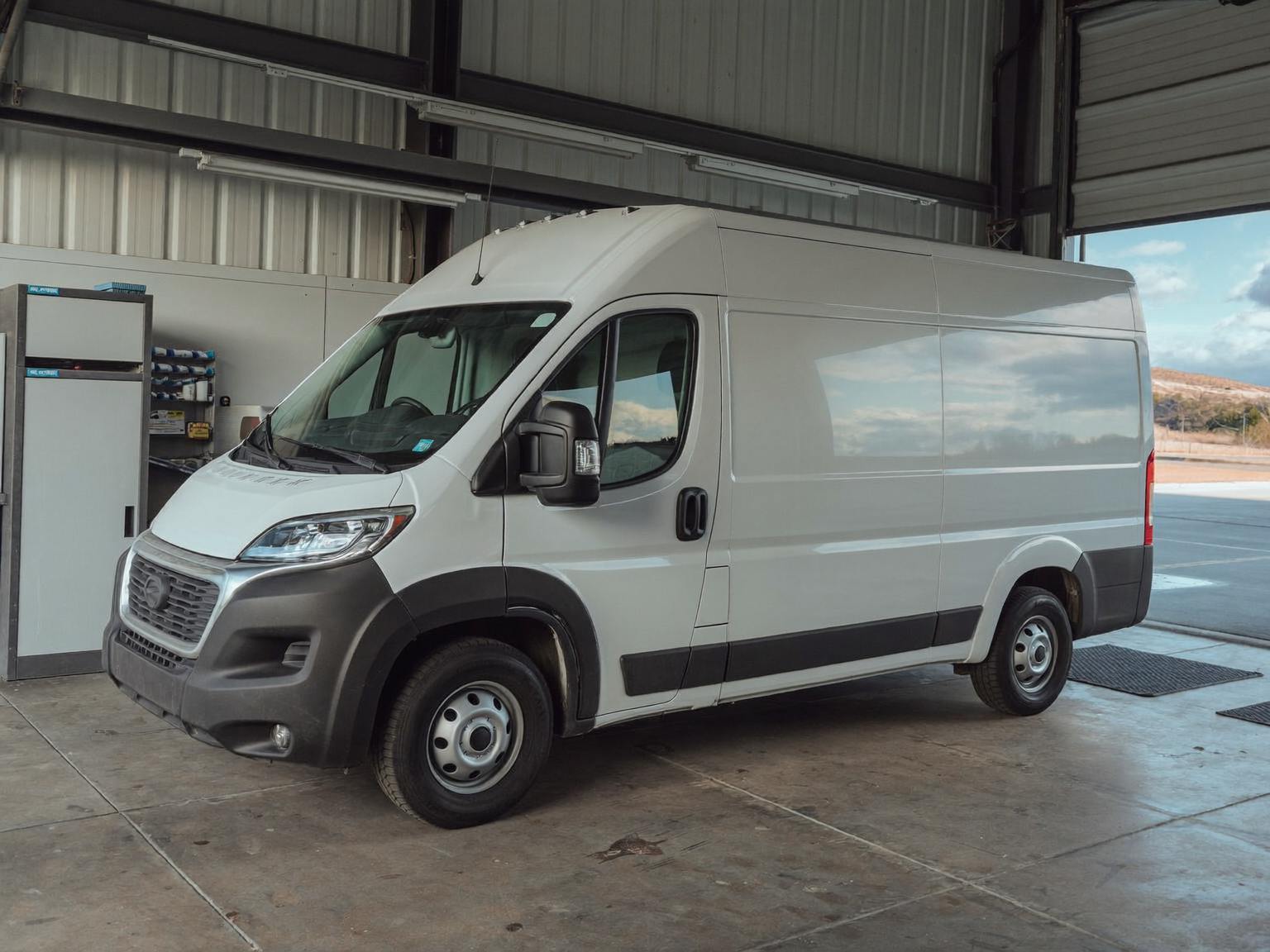
A small Boulder business should maintain its fleet with a written, vehicle-specific plan built around uptime, preventive service, driver inspections, and complete records. The goal is to schedule predictable work before a vehicle develops a problem that interrupts deliveries, appointments, job sites, or customer service.
Small fleets need structure, but they rarely need a complicated corporate program. We recommend assigning responsibility to one person, tracking each vehicle separately, and working with a shop that can help prioritize service across the fleet. Our fleet services in Boulder are organized around that practical approach.
Build the maintenance plan around uptime
Fleet maintenance is not simply a collection of oil changes. Each vehicle should have a service plan that reflects its manufacturer requirements, age, condition, powertrain, equipment, and actual working environment. A van that spends its day making short Boulder stops has different needs from a truck that regularly travels between Longmont, Erie, and foothills job sites.
What belongs in a small-business fleet maintenance plan?
A useful plan covers engine oil and filters, tires, brakes, steering, suspension, fluids, belts, hoses, batteries, lighting, wipers, heating, air conditioning, safety equipment, and manufacturer-required services. It should also account for specialized systems such as diesel fuel components, four-wheel drive, hybrid batteries, regenerative braking, or equipment added for work. We prefer to document the next expected service when the current visit is completed, giving the fleet manager time to coordinate workloads instead of reacting to a dashboard reminder at the last minute. Routine oil change service in Boulder can be incorporated into broader inspections so obvious wear or leaks are found during planned downtime.
Should every fleet vehicle follow the same schedule?
No. Using one interval for every vehicle can lead to unnecessary service on lightly used units and delayed service on vehicles working under harsher conditions. We look at mileage, time, engine hours when available, trip length, idle time, payload, towing, road surface, and seasonal use. Manufacturer guidance remains the foundation, but duty cycle determines how closely a vehicle should be watched. A pickup hauling tools into the foothills may place more demand on brakes, cooling, tires, and driveline components than a passenger car used for sales calls along US-36.
Stagger service instead of parking the whole fleet
Small businesses often have little spare capacity. If several vehicles are unavailable at once, even routine maintenance can become an operational problem. Staggering appointments allows the business to keep working while each unit receives the attention it needs.
How should a business schedule fleet service?
We suggest looking ahead at the work calendar and identifying slower days, backup vehicles, and routes that can be reassigned. Vehicles can then be grouped by urgency rather than brought in simply because they are similar. One unit may need immediate brake attention, another may be due for preventive maintenance, and a third may only need an inspection scheduled for a later opening. This creates a rolling service cycle in which the highest-risk needs are handled first without unnecessarily taking the entire fleet out of operation.
What happens when an appointment conflicts with business demand?
The best response is to communicate early and assess whether the service can safely wait. Some routine work can be coordinated around a short delay, while warning lights, fluid loss, overheating, brake symptoms, or significant steering changes should not be postponed for convenience. A dependable Boulder mechanic should explain the difference between an urgent safety concern, a developing mechanical problem, and a maintenance item that can be scheduled. That information lets the owner make an operational decision without guessing about the mechanical risk.
Keep one record for every vehicle
Good records turn maintenance from memory into a manageable process. They also help us recognize repeat concerns, verify what has already been replaced, and avoid duplicating work when different employees drive the same vehicle.
Which fleet records should a small business keep?
Each vehicle should have a file identified by the unit number and vehicle identification number. The file should include purchase or assignment information, current mileage, maintenance history, inspection findings, repair orders, warranty information, tire details, driver reports, and notes about recurring symptoms. It is also useful to record how the vehicle is used, including towing, cargo, mountain travel, frequent idling, or repeated short trips. Digital or paper records can both work, provided the information is complete, accessible, and updated after every service visit.
How do records improve repair decisions?
A consistent history gives us context that a single inspection cannot provide. For example, repeated battery complaints may point to a usage pattern or electrical issue rather than isolated battery failures. Uneven tire wear that returns after correction may justify a closer look at suspension components, vehicle loading, or operating routes. Records also help a business decide which vehicle should receive preventive work first and which unit may be approaching a point where repeated repairs are interfering with dependable use. Drivers who are unsure about dashboard notices can also review what a maintenance reminder light means rather than assuming every reminder indicates a breakdown.
Give drivers a simple inspection and reporting process
Drivers are often the first people to notice that a vehicle feels, sounds, or smells different. A short reporting routine can capture those observations before they are forgotten or passed informally between employees.
What should drivers inspect before using a fleet vehicle?
A practical check includes tires, visible fluid leaks, exterior lights, mirrors, windshield condition, wipers, warning lights, and any obvious body or cargo-security issue. Once moving, the driver should pay attention to braking, steering, unusual vibration, changes in power, abnormal temperature readings, and unfamiliar noises. The process should be short enough to perform consistently. It should also include a clear method for reporting a concern, identifying the vehicle, and describing when the symptom occurs.
When should a fleet vehicle be taken out of service?
A vehicle should not continue normal work when there is a credible safety risk or a strong indication that operation could cause additional damage. Examples include loss of braking ability, severe steering changes, overheating, an oil-pressure warning, smoke, a strong fuel odor, a rapidly deflating tire, or a significant fluid leak. Other concerns may allow careful travel to a repair facility, but that decision should be made after discussing the exact symptom. We would rather evaluate a clear driver report promptly than diagnose a larger failure after the vehicle has continued through a full route.
Prepare for Boulder and Front Range driving
Fleet maintenance in Boulder should reflect local routes and conditions. Vehicles based in Boulder, Colorado may spend the morning making short stops in Downtown Boulder, climb toward foothills properties later in the day, and finish with highway travel toward Lafayette or Longmont. That combination can involve frequent starts, extended idling, steep grades, changing temperatures, snow, gravel, and higher-speed commuting.
How does local driving change fleet maintenance priorities?
Foothills terrain places added attention on brakes, cooling systems, tires, steering, suspension, and driveline operation. Short urban routes may not allow an engine to remain fully warmed for long, while canyon travel can expose a loaded vehicle to sustained climbs and descents. Winter brings cold starts, road treatment, packed snow, and reduced traction; summer heat can expose marginal cooling or air-conditioning performance. These conditions do not replace the manufacturer schedule, but they provide important context for inspections and service timing. Our guide to what winterizing a vehicle actually means explains how seasonal preparation differs from simply performing one routine service.
Businesses that operate north of Boulder may have a different pattern. A vehicle serving Longmont could accumulate more steady road mileage, while a diesel truck may also idle at job sites or carry variable loads. Those managers can compare their usage with our discussion of diesel truck service intervals in Longmont, while still basing each unit's plan on its actual duty cycle.
Review the fleet as a group, not just vehicle by vehicle
Individual records are essential, but periodic fleet-level review reveals operational patterns. A business may discover that several drivers are reporting the same tire damage, that one route produces repeated suspension concerns, or that appointments are being scheduled too late to avoid work disruption.
What should a fleet review include?
We recommend reviewing upcoming maintenance, unresolved driver reports, repeat repairs, tire condition, seasonal needs, vehicle availability, and units that are creating frequent schedule problems. The review should also identify which vehicle can cover another unit's route during service. If the fleet contains different makes or powertrains, the plan should account for the parts, fluids, diagnostic procedures, and inspection needs of each one. This is especially important when a business operates a mix of gasoline, diesel, hybrid, or electric vehicles.
How should a business choose a fleet repair partner?
Look for a shop that communicates clearly, maintains usable service histories, understands different vehicle types, and can separate urgent repairs from work that can be planned. The shop should ask how each unit is used instead of relying only on mileage. For auto repair in Boulder, continuity matters because a technician who can review earlier findings is better positioned to identify trends and plan future downtime. A useful fleet relationship is built around accurate inspections, documented recommendations, and scheduling that respects both safety and the business's need to keep vehicles working.
A small fleet does not need a complicated maintenance department. It needs clear responsibility, individual service plans, staggered scheduling, reliable records, consistent driver reporting, and regular review. When those pieces work together, maintenance becomes planned operational support rather than a series of unexpected interruptions.
Book the shop Boulder trusts.
Free loaner vehicles for qualifying repairs. Three-year, 36,000-mile NAPA warranty on every covered job.